
Forwarding FORM + PLACE’s Mission
/Throughout the course of 2025, and into 2026, Form + Place has continued to focus on a number of engaging urban planning initiatives - helping to identify meaningful community building strategies that are both thoughtful and implementable.
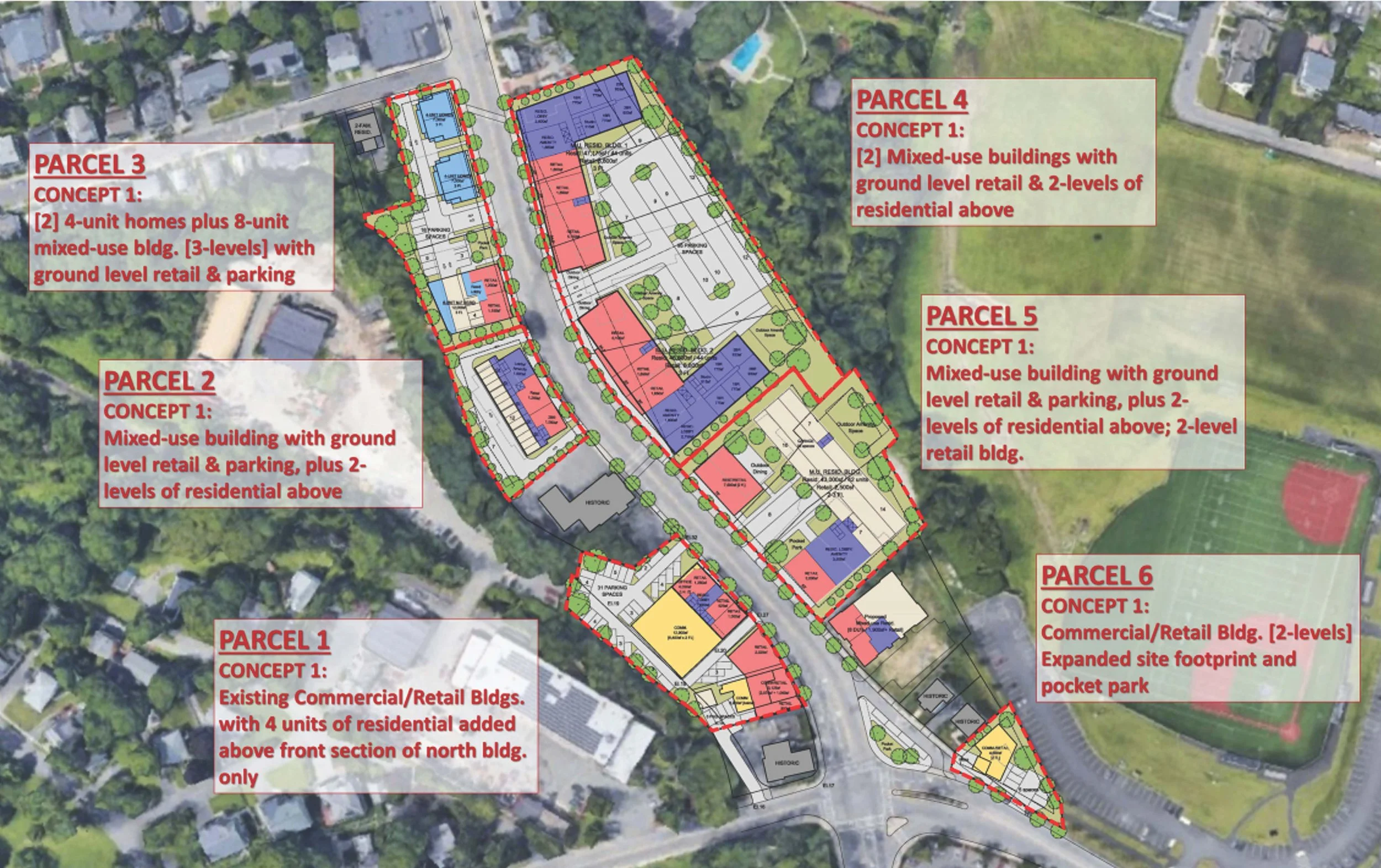
In early 2025, we completed new design guidelines for Winchester’s North Main Street Corridor. This was the culmination of a 2-year planning effort which resulted in the adoption of the Main Street Mixed-use District [MSMD] zoning bylaw – a regulation designed to promote the integration of more diverse, and higher density, residential within a mixed-use context, while encouraging sustainable development and enhanced streetscapes. Winchester’s Planning Department has reported a notable increase in development inquiries since the passage of the new bylaw and design guidelines.
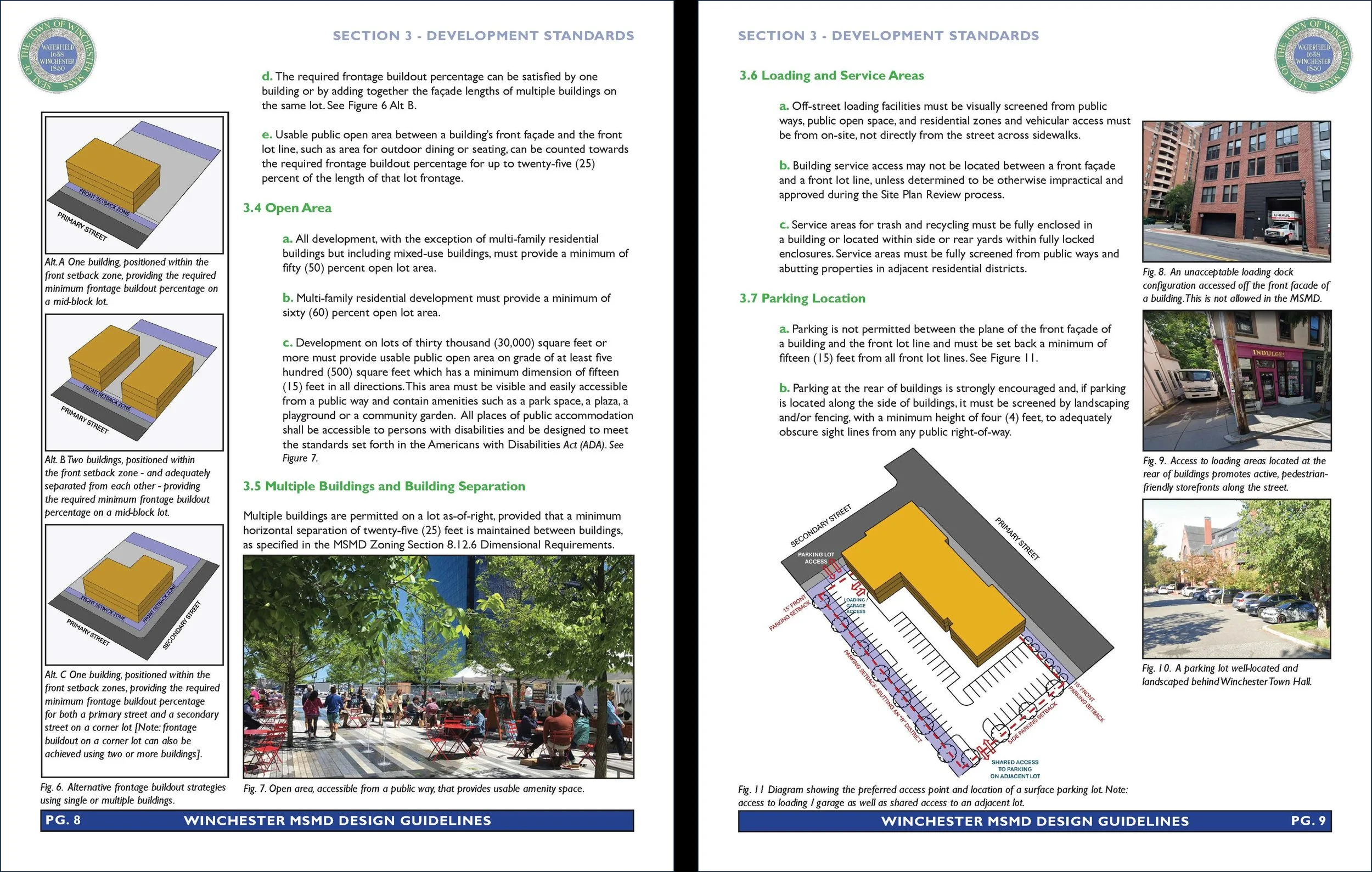
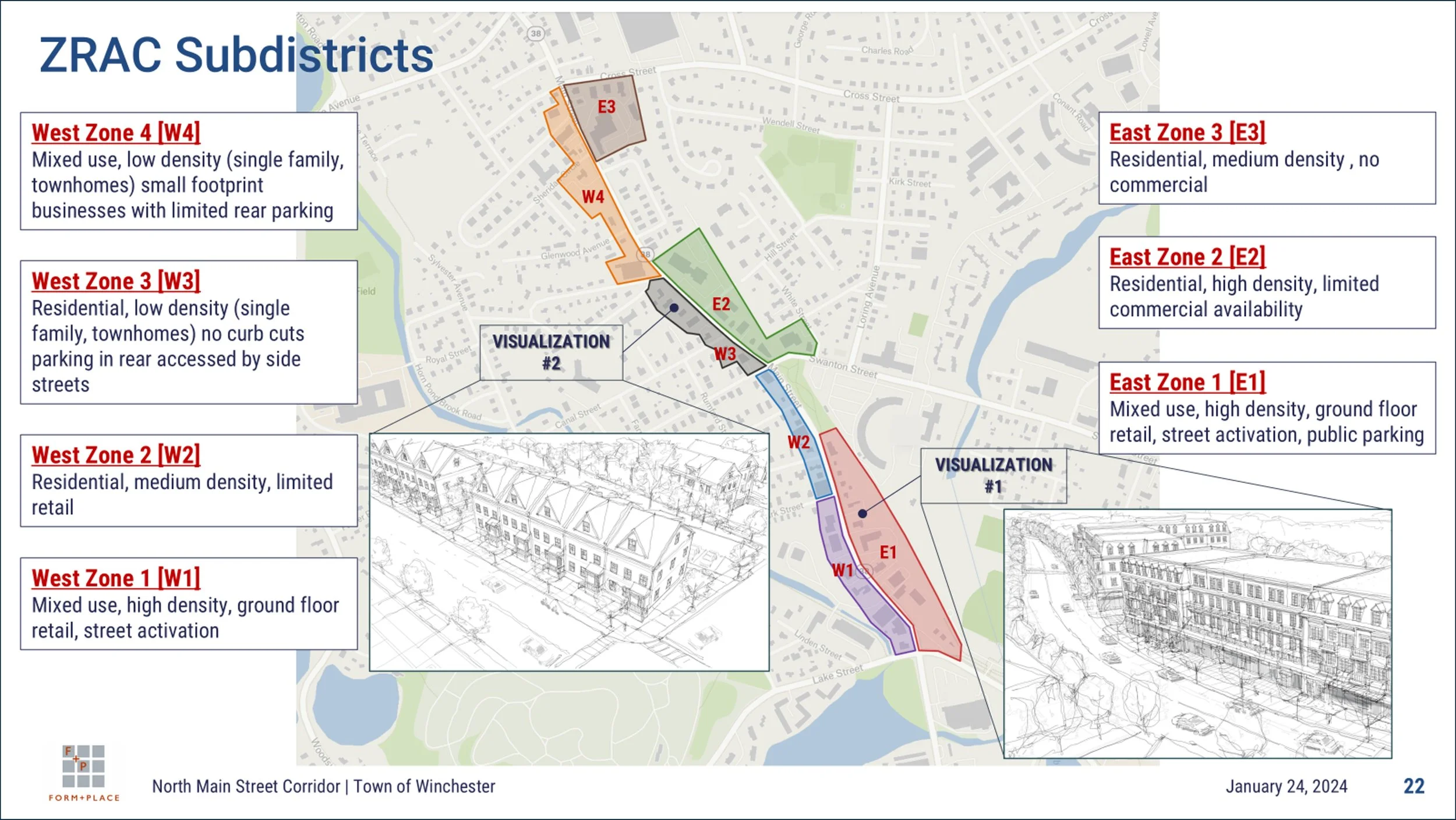
Corridor design presents many unique urban design challenges and, as was the case in Winchester, new zoning bylaws need to be nimble enough to address the inherent contextual transitions that occur as one moves from village centers and transit nodes, along commercial spines that abut everything from single-family neighborhoods to light industrial clusters. Winchester’s MSMD bylaw incorporates seven distinct sub-districts, each with a unique set of dimensional criteria that incentivize appropriately scaled buildings and requires them to be sited to reinforce a walkable, pedestrian-first environment. Beyond the typical focus on criteria such as height and setbacks, there is a strong emphasis on key contextual details such as frontage build-out, integrated open space and parking location. In conjunction with the bylaw, design guidelines were seen as an essential tool for ensuring high quality site development and architectural design. This is especially true when a community is adopting a more flexible regulation that is intended to simplify the approvals process.
Form + Place’s community master-planning expertise has also been put to use in 2025-2026 in the Eastern Gateway District in Reading, MA. Building on feedback from an initial Open House event in late 2024, Form + Place began a series of analytical “test fits” on the 68-acre industrially-zoned site along the MBTA commuter rail line between Route 128 and Reading’s village center. Reading’s Eastern Gateway District has been the subject of numerous studies in recent years and, as such, Form + Place’s efforts were intended to coalesce previous findings with current stakeholder feedback to produce an updated vision for the district. A clear framework emerged that emphasized a desire for higher intensity mixed-use development and diverse housing opportunities that would help expand the Town’s tax base, while incorporating publicly accessible open space and walkable streetscapes, designed to knit together surrounding neighborhoods.
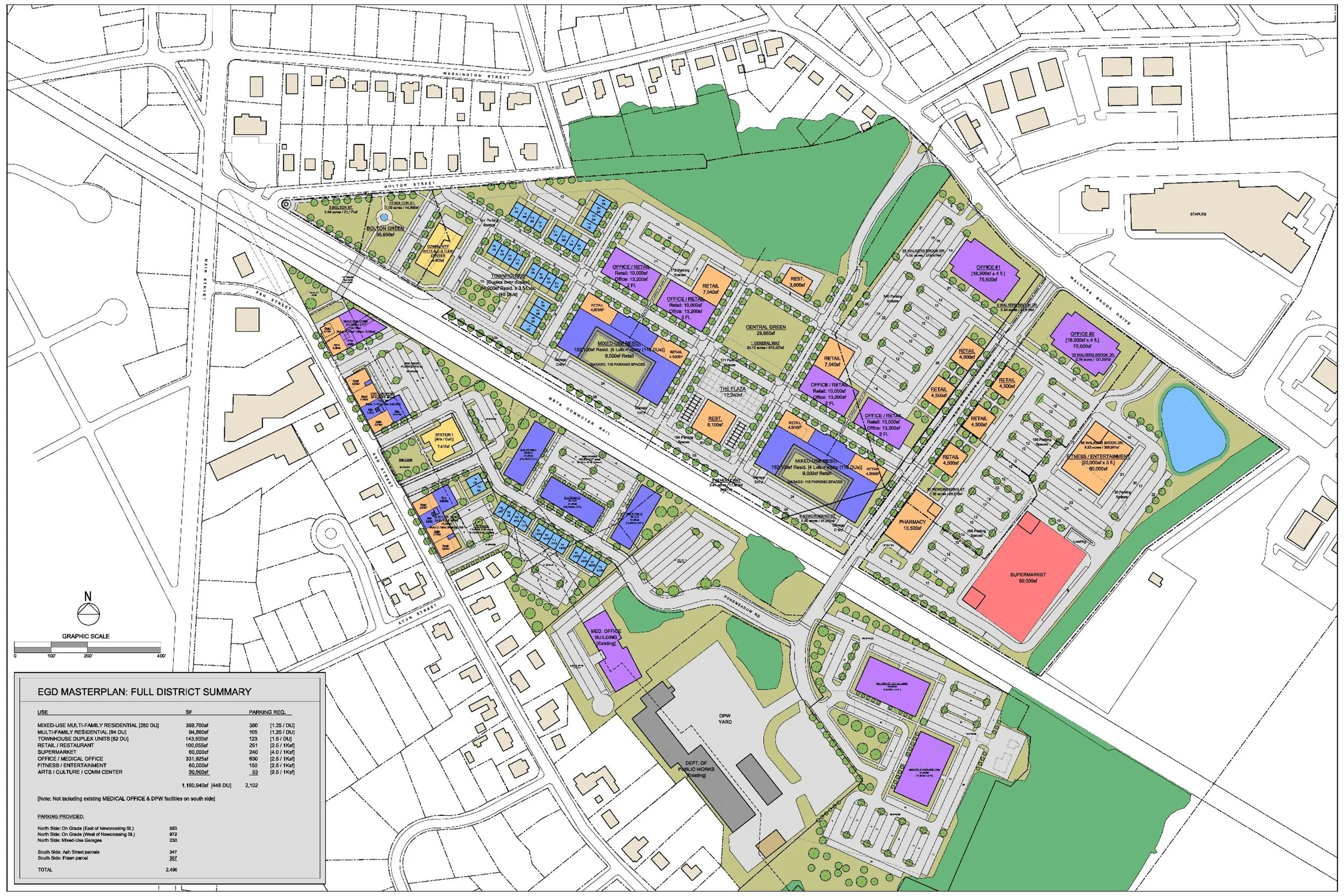
Following this initial master-planning effort, Form + Place is working with Reading Staff to help craft a new overlay district that will incentivize desired development patterns, whether redevelopment happens incrementally or on a large scale through parcel consolidation. Design guidelines will be an important piece of the implementation strategy for Reading as well.
In addition to these incredibly engaging urban design projects, Form + Place continues to work on architectural projects at a variety of scales. We always enjoy working with single-family home clients – most recently in communities such as Newton and Melrose - who are looking to expand their homes to accommodate growing families, as well as those who are empty-nested and reconfiguring their homes to match their “later-in-life” needs – home offices, mudrooms, two-car garages, etc.
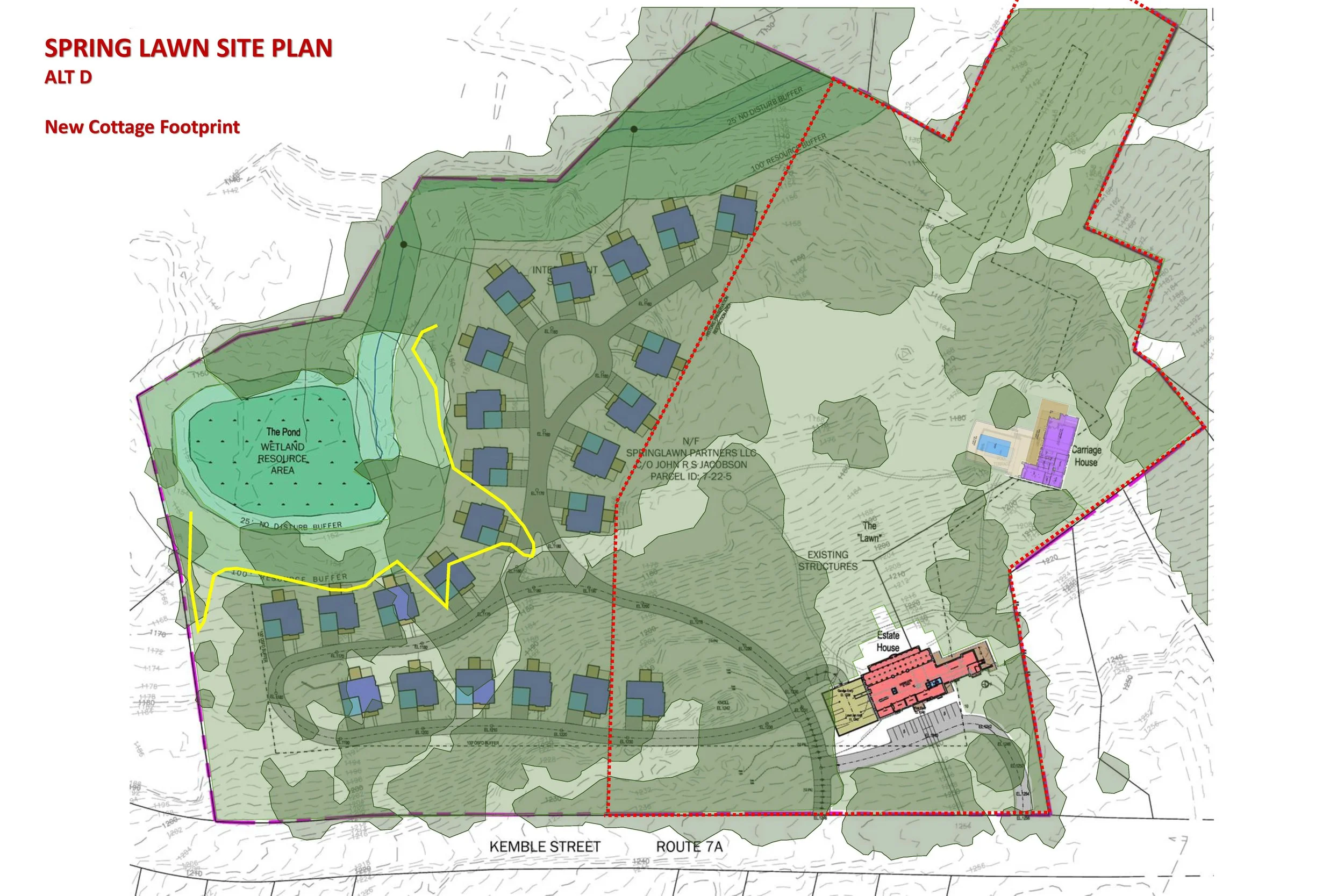
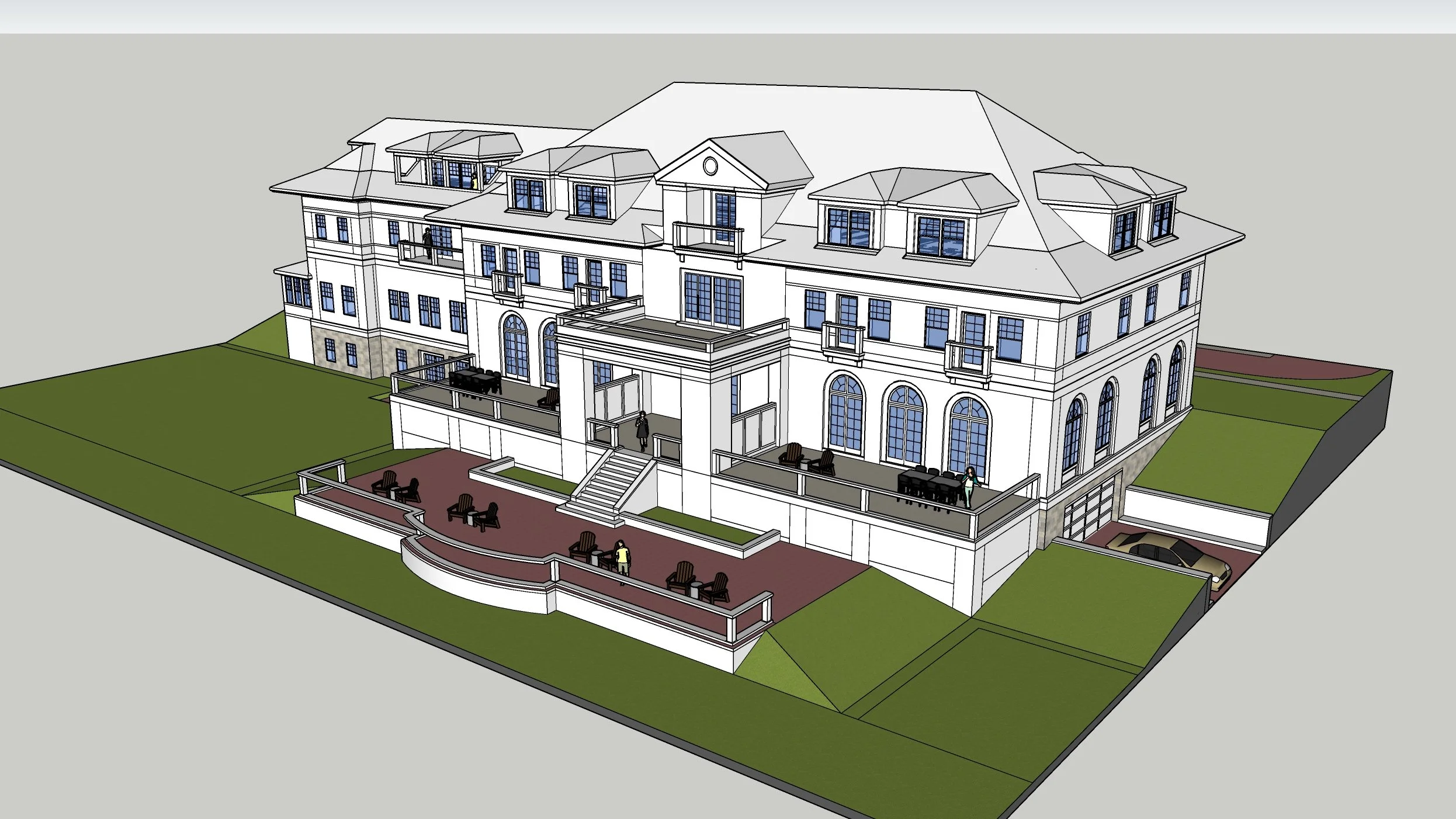
On the private development side of the equation, Form + Place continues to work with long-time clients like JHR Development who are contemplating the repositioning of the Springlawn Estate in Lenox, MA. For the past 2+ years, we have been helping to develop a master-plan vision for this spectacular Berkshire property, exploring the integration of a range of residential typologies – multi-family to cottage homes - through concepts that combine adaptive reuse / historic preservation with new construction.
Form + Place’s approach makes us a truly unique firm. As foretold in our company name, we offer expertise across many disciplines, ranging from the architectural design of many building typologies, to our urban design, community planning and place-making efforts. Our passion for exceptional design continues to be realized along the “seam” between these worlds, where good building design and thoughtful site planning respond to meaningful contextual influences and community goals. Throughout the course of 2025, and into 2026, Form + Place has continued to focus on a number of engaging urban planning initiatives - helping to identify meaningful community building strategies that are both thoughtful and implementable.